September 24, 2026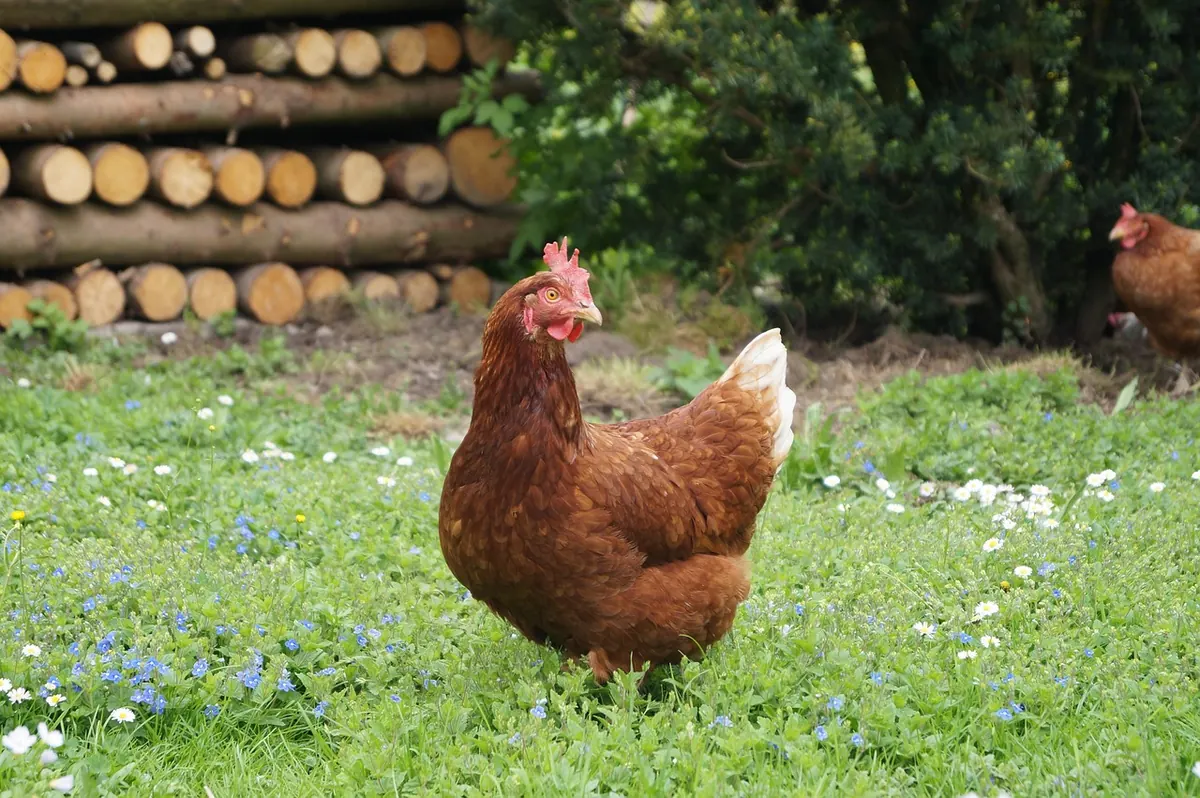
A dead log is not a wasted one. Stacked in a corner of a garden, a bundle of timber becomes a larder, a shelter and a place to sleep, all within a footprint no bigger than a wheelbarrow. You do not need a woodland, a large plot or any particular skill. A few branches you were going to burn will do. The trick is building a pile that wildlife finds and uses, rather than one that sits there looking tidy and stays stubbornly empty.
Why a Woodpile Earns Its Space
Dead wood is the whole life-support system for a group of insects most gardens are missing. Beetle larvae chew through rotting timber for years, and the adults emerge to feed birds. A wren working methodically through a woodpile in January is worth the space on its own.
Then comes the shelter. Toads and newts tuck themselves into damp crevices. Slow-worms, which are harmless legless lizards, curl under flat logs on a warm morning. Hedgehogs rummage at the base after dark, hoovering up beetles, slugs and caterpillars. A pile also carries useful insects through the winter — ladybirds, lacewings and queen bumblebees all need somewhere cold and dry to wait out the frosts.
Choosing the Right Spot
Position matters more than the wood itself. Put the pile on soil, not paving. Contact with the ground keeps the timber damp and lets beetles, worms and fungi move in from below. A spot that is shaded for part of the day is ideal, because it holds moisture, but try to find somewhere that catches a few hours of sun.
The best piles have two faces: a warm, sunny side for basking slow-worms and nesting solitary bees, and a cool, damp side in the shade for toads, newts and fungi. If your garden only offers one or the other, shade wins — damp wood rots faster and attracts more life.
Keep the stack clear of the house wall. Damp timber against masonry is bad for the wood and worse for the brickwork. Give sheds and fences you would rather not see rot a wide berth, and keep well away from the mower's usual route and the washing line.
Most important of all: put it somewhere it can stay. A woodpile that gets shifted every autumn is a woodpile that gets abandoned, and half its value lies in the fact that it has been quietly rotting for years.
What to Stack, and What to Leave Out
Variety is the point. A mixed pile rots at different rates, creating a range of conditions in one small space.
- Logs with the bark still on. Bark is where a great many larvae live.
- A range of diameters, from thick trunk sections down to finger-thin twigs.
- Something already rotting, such as a tired stump or a chunk of crumbling timber.
- Leafy material for the base and the gaps between logs.
- Stones, broken terracotta and a few flat tiles to make crevices and basking spots.
Leave out anything treated. Tanalised, creosoted, painted or varnished timber has no place in a wildlife pile, and neither do pallets stamped MB, which indicates chemical treatment. Freshly cut branches are perfectly fine — they simply take longer to get going. If you have ash with signs of dieback, do not cart it around the garden or the wider area; leave it where it fell or burn it.
Building the Stack, Layer by Layer
Work from the ground up and resist the urge to make it neat.
- Start at soil level. Loosen the ground slightly and set the largest log or a stump half-buried. Buried wood stays cool and damp, which is exactly what beetle larvae and newts want.
- Lay the heaviest timber first, at odd angles rather than parallel. Random is stronger and more useful than straight.
- Add medium logs and thick branches in a loose criss-cross, leaving gaps you could push a finger into. Packed timber goes sour and attracts nothing.
- Fill the middle with smaller branches, twigs, wood chips and a few handfuls of dead leaves. Do not compress them.
- Finish with a couple of flat logs on top, or leave it ragged. Either works.
- Tuck stones and broken tiles around the edges so there are sheltered niches at ground level.
Aim for roughly a metre wide and a metre tall if your garden can spare it. Bigger piles hold more moisture and support more species, but half that size still earns its keep. Never nail or screw the wood together, and skip the rope unless the pile is on a slope.
Making It Work for Hedgehogs and Amphibians
Hedgehogs
Think of a woodpile as a hedgehog's larder and daytime resting place rather than its winter bed. For hibernation, hedgehogs prefer a deep leaf pile or a purpose-built box, so put one of those alongside the logs. Leave a gap at the base of the stack so a hedgehog can push underneath without climbing, and keep slug pellets out of the garden entirely — poisoned slugs are a common and avoidable cause of hedgehog deaths.
Frogs, toads and newts
Amphibians need shade and constant damp, so build their end of the pile on the north side, ideally with a log sunk into the soil and a few damp leaves packed around it. Toads will use dark crevices through the summer; frogs often overwinter in the leaf litter at the base. If you have a pond, a woodpile within a few metres of it acts as a corridor between water and cover, which is exactly what young amphibians need as they leave the pond.
Looking After It — Or Rather, Not
The best maintenance is neglect. Do not tidy the pile, turn it over, or rearrange it. If it slumps inwards after a few years, that is not a problem; the collapsed centre will be riddled with fungi and soft rot, which is the richest habitat of the lot. Top it up occasionally with a fresh branch or two and let it settle.
Expect fungi, woodlice, spiders and the occasional wasp investigating the crevices. None of it needs managing. If you discover a hedgehog nest, leave it completely alone, and keep dogs away from that corner until the occupant moves on.
Start With What You Already Have
The simplest way to begin is to stop clearing up. Gather the prunings, the fallen branch and the offcuts from a bit of winter pruning, and stack them somewhere out of the way. Add to it through the year rather than starting again each spring.
One last habit worth adopting: never light a bonfire on a pile that has been sitting for weeks. Hedgehogs, toads and slow-worms move into undisturbed heaps of timber and leaves, and a match is a grim end to a good habitat. Shift the material to a new spot by hand before you burn, or build the fire somewhere else entirely.
Photo: Melly95 / Pixabay